If you've shopped for hunting blind windows for more than ten minutes, you've run into the same fork in the road every other hunter has hit: frame or glass hinge? Both look like rectangles of glass. Both seal against weather. Both keep deer from spotting your movement. So why do they cost different amounts, and why does every working hunter have a strong opinion about which one is "right"?
Short answer: they're built for different jobs. Frame windows are the right call for permanent box blinds, rifle hunters, and anyone in hard weather. Glass hinge windows are the right call for bow hunters, retrofits, DIY builds, and anyone who needs to open a window without making a sound. The longer answer is below — and yes, the right answer for many serious hunters is both, in the same blind.
WHAT IS A FRAME HUNTING BLIND WINDOW?
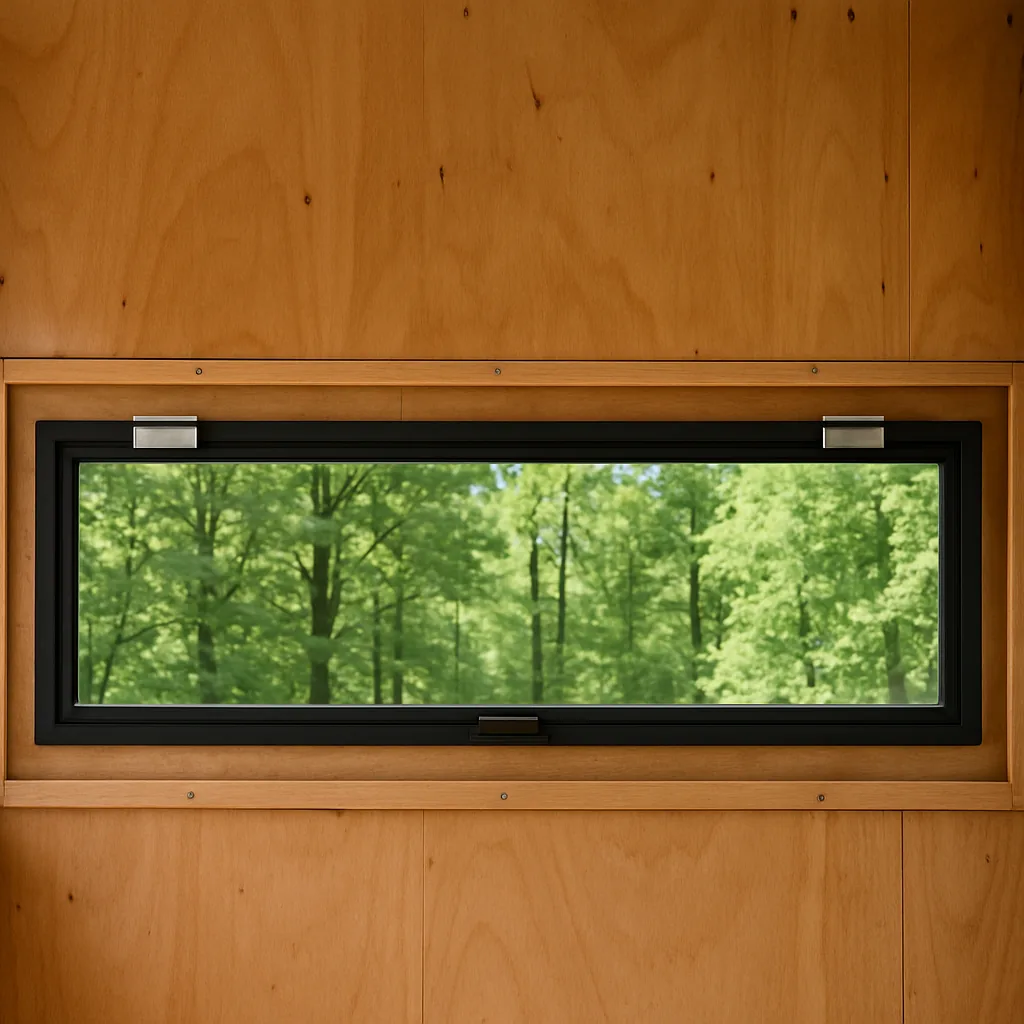
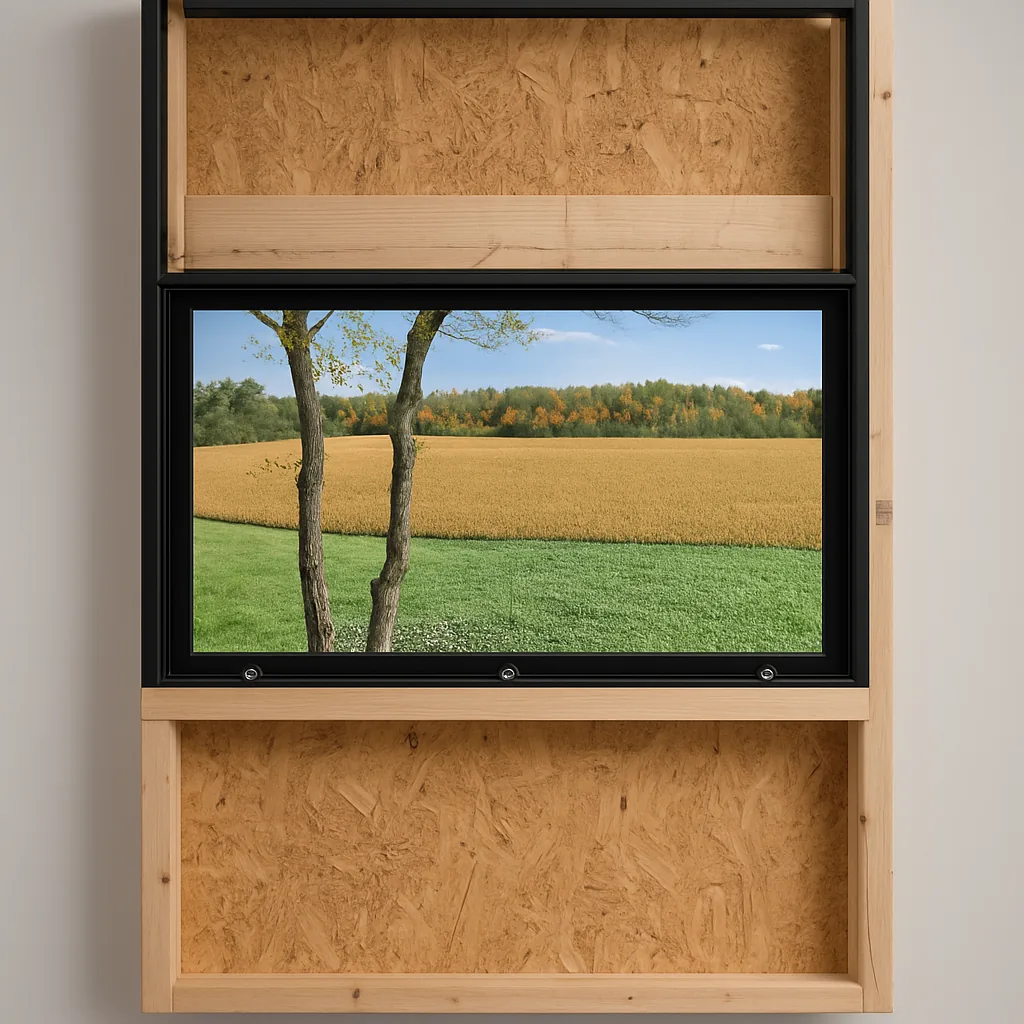
A frame window is exactly what the name says — a sheet of tempered glass held inside a heavy aluminum-extrusion frame. The frame is one continuous piece of pressure-formed aluminum, square-cut and welded at the corners, that wraps the glass on all four sides. The result is rigid: the glass is locked into a fixed plane that doesn't shift even after years of expansion and contraction.
Inside the frame is a smooth one-handed latch — usually a deadbolt-style cam or a sliding bolt — that lets you open and close the window without taking your eyes off the field. A perimeter strip of EPDM weatherstrip runs around the entire frame edge, sealing against the wall when the window is closed.
▸ WHAT FRAME WINDOWS DO WELL
- Weather sealing. The continuous aluminum frame plus the perimeter weatherstrip seals tight enough to keep driving rain and 30+ mph wind on the outside of the blind.
- Rigidity. Heavy aluminum doesn't warp, sag, or twist. Year-fifteen frame windows look the same as year-one frame windows.
- Smooth, predictable latch operation. One-handed open and close, even in the dark, even with frozen fingers.
- Durability under weight. A frame window is structurally part of the blind's wall — it adds rigidity to the cutout opening rather than just filling it.
▸ WHAT FRAME WINDOWS TRADE OFF
- Weight. A 30×14 frame window weighs 8–10 pounds. Multiply by four windows and you're adding 30+ pounds to your blind's wall load.
- Cost. Heavy extrusion, welded corners, and a precision latch all cost more to manufacture. A frame window typically runs 50–80% more than the equivalent glass hinge window.
- Latch sound. The one-handed latch is quiet, not silent. There's a small click when the cam releases.
WHAT IS A GLASS HINGE HUNTING BLIND WINDOW?
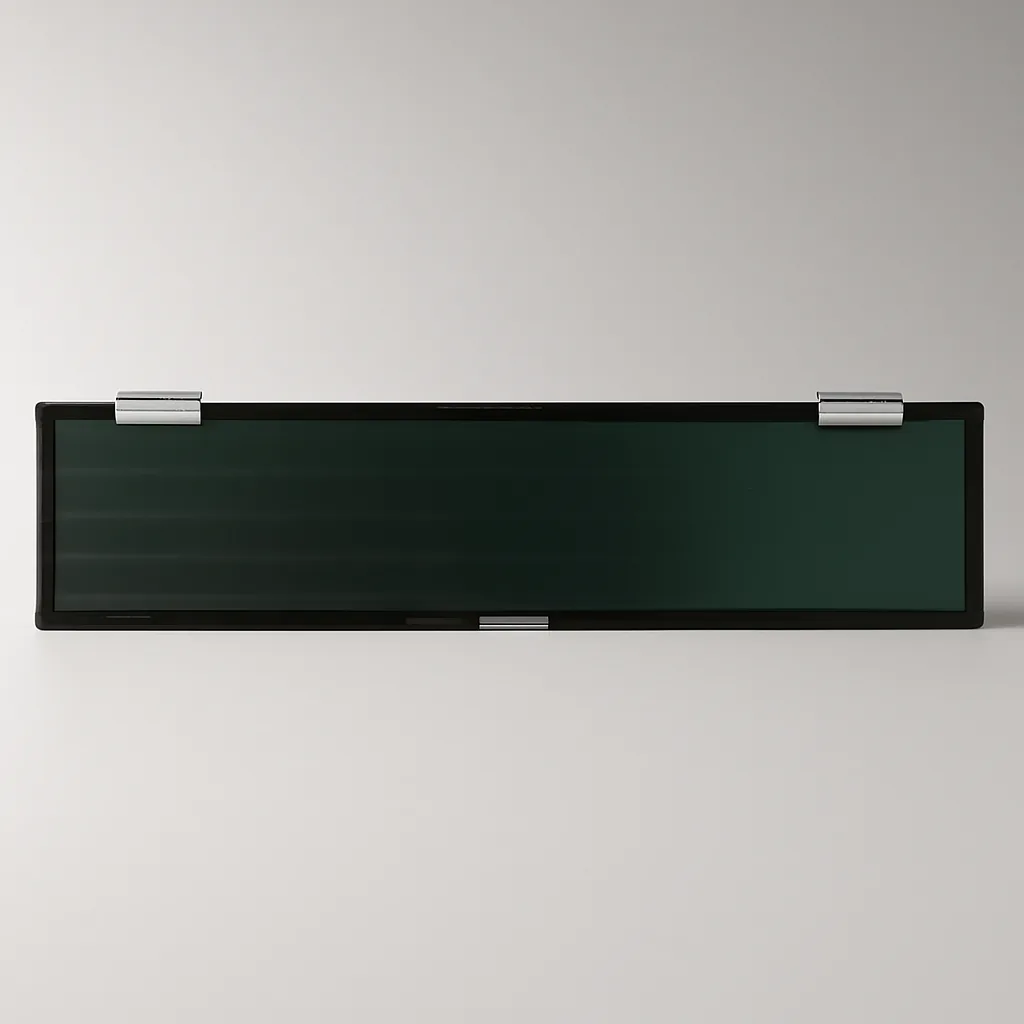
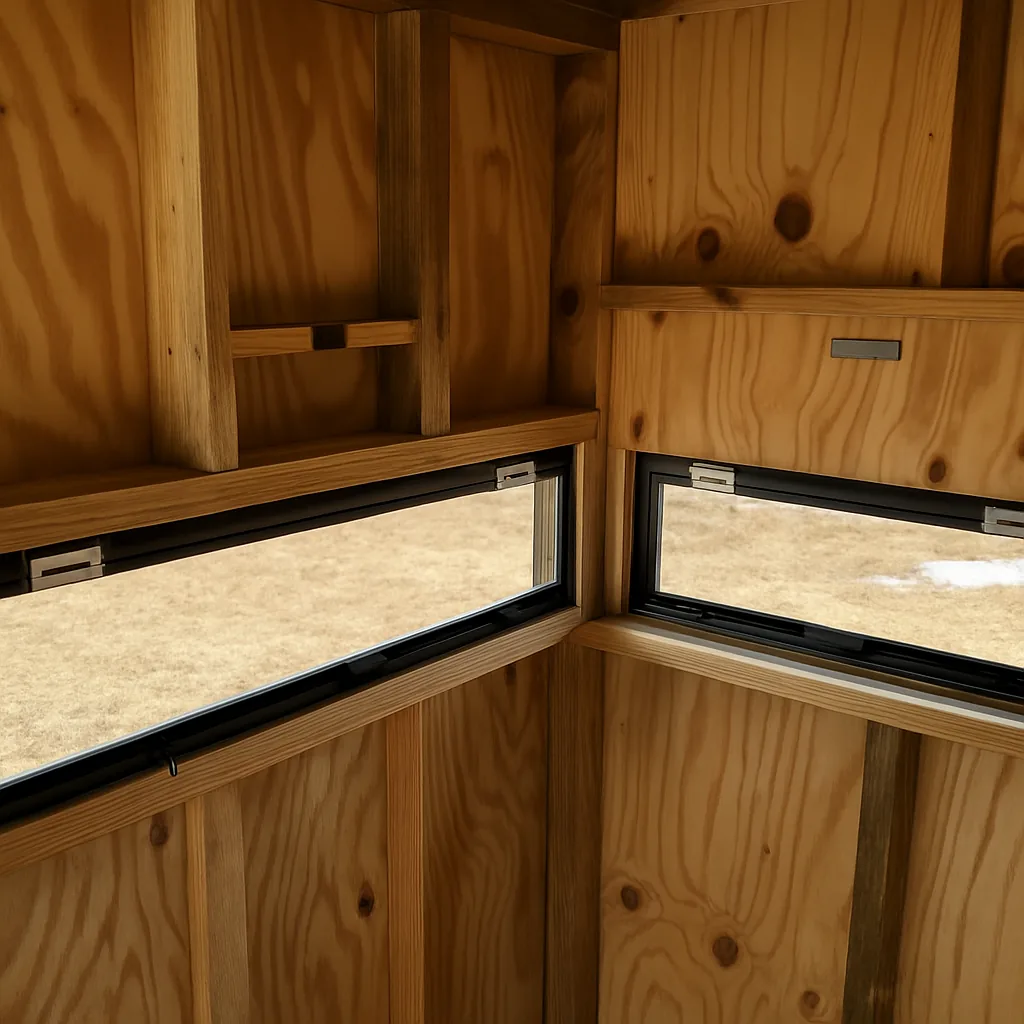
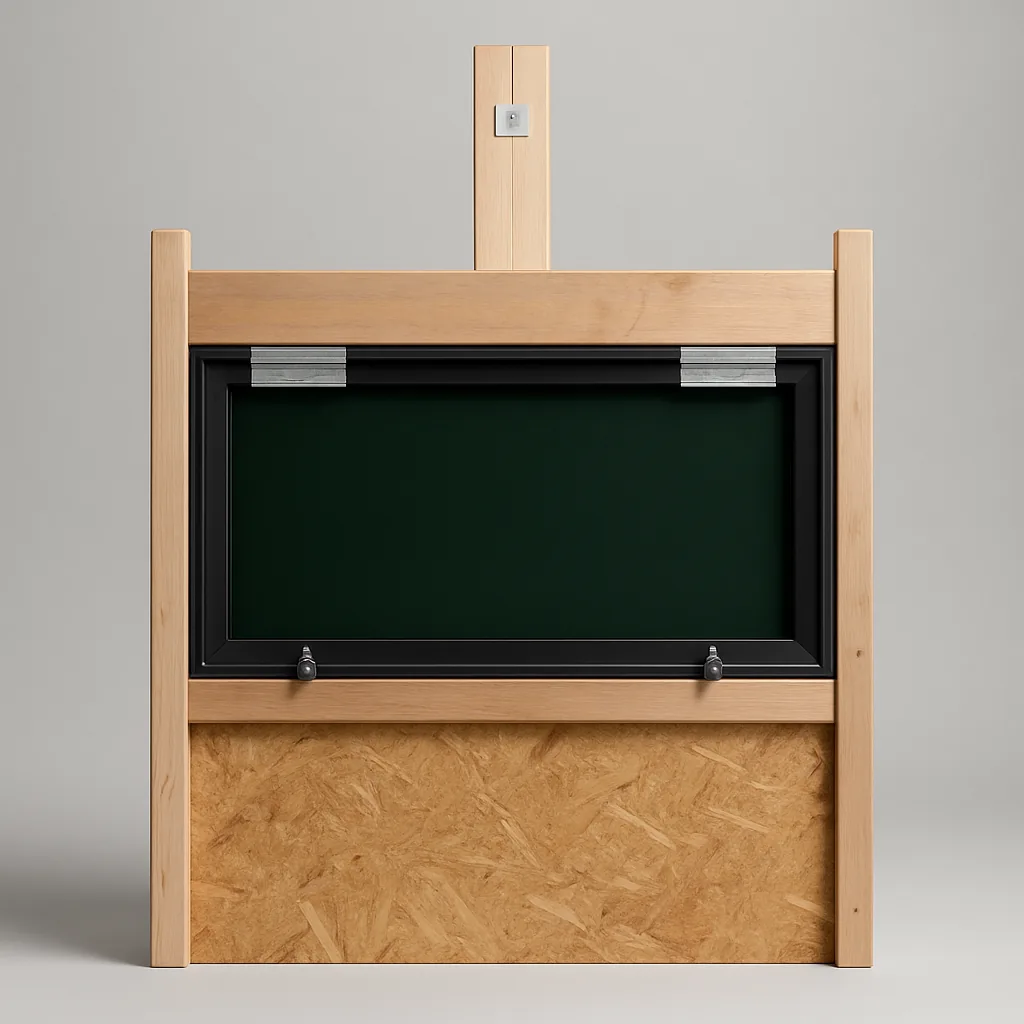
A glass hinge window is a sheet of tempered glass mounted directly to the blind wall on a low-profile metal hinge — usually two or three pin-style hinges along one edge of the glass. There's no frame around the glass itself. The hinge plate sits flush against the wall, the glass swings out (or up, or in, depending on installation), and a perimeter gasket on the wall side keeps weather out when the window is closed.
Because the hinge is the only mechanical part, glass hinge windows are dramatically lighter and quieter than frame windows. There's no track to bind, no latch to click, and no seasonal contraction issue with the frame because there is no frame.
▸ WHAT GLASS HINGE WINDOWS DO WELL
- Silent operation. No track, no slide, no latch. The window swings on a pin hinge and that's it. Bow hunters specifically choose glass hinge for this reason.
- Lightweight. A 30×14 glass hinge window weighs 3–4 pounds. Friendly on portable blinds, blind kits, and trailered tower stands.
- Lower cost. No frame extrusion to manufacture means a glass hinge window typically runs $90–$170 vs $250–$320 for the equivalent frame window.
- Faster, simpler install. Mount the hinge plate, run a perimeter bead of gasket, and you're done. Most installs take under 10 minutes per window.
▸ WHAT GLASS HINGE WINDOWS TRADE OFF
- Weather sealing. The gasket is good. It's not quite as hermetic as a frame window's continuous extrusion-and-weatherstrip combination. In driving rain at 30+ mph, you may get the occasional drip.
- Tab-closure dependency. Glass hinge windows close against the wall but typically need a tab closure (a small clip) to hold them closed against wind pressure. Frame windows have an integrated latch that doesn't need a separate part.
- Less wall reinforcement. Without a heavy frame, the window doesn't add structural rigidity to the cutout. Not usually an issue, but on a flimsy DIY blind, frame windows do double duty as bracing.
SIDE-BY-SIDE: WHICH WINS WHAT
If you're a person who likes a single-page comparison, this is the table. Each row goes to the window type that wins by a clear margin in the field — not by a marketing claim.
| SPEC | FRAME WINDOW | GLASS HINGE WINDOW |
|---|---|---|
| Weather sealing in heavy weather | ✓ Wins | Acceptable |
| Silence on open/close | Quiet (small latch click) | ✓ Wins (truly silent) |
| Weight (30×14 reference) | 8–10 lb | ✓ Wins (3–4 lb) |
| Price (typical retail) | $255–$350 | ✓ Wins ($90–$170) |
| Install time per window | 15–20 min | ✓ Wins (~10 min) |
| Wall structural reinforcement | ✓ Wins (adds rigidity) | Neutral |
| Long-term shape retention | ✓ Wins (no warp) | Excellent (tempered glass alone) |
| Best for bow hunting | Acceptable | ✓ Wins |
| Best for rifle hunting | ✓ Wins | Acceptable |
| Best for retrofits | Acceptable | ✓ Wins |
| Best for permanent box blinds | ✓ Wins | Acceptable |
WHICH ONE BELONGS IN YOUR BLIND?
Three real-world scenarios. Pick the one that sounds most like your hunting setup.
▸ SCENARIO 1: YOU'RE BUILDING A PERMANENT 6×6 OR 7×7 BOX BLIND ON A PROPERTY YOU'LL HUNT FOR THE NEXT 20 YEARS
Go with frame windows on the front wall (where weather hits hardest and where rifle work happens) and glass hinge windows on the side walls (where bow draws and crossbow shots will come from). The hybrid setup costs less than all-frame, performs better than all-glass-hinge, and matches the way you'll actually hunt the blind.
FEATURED PRODUCT
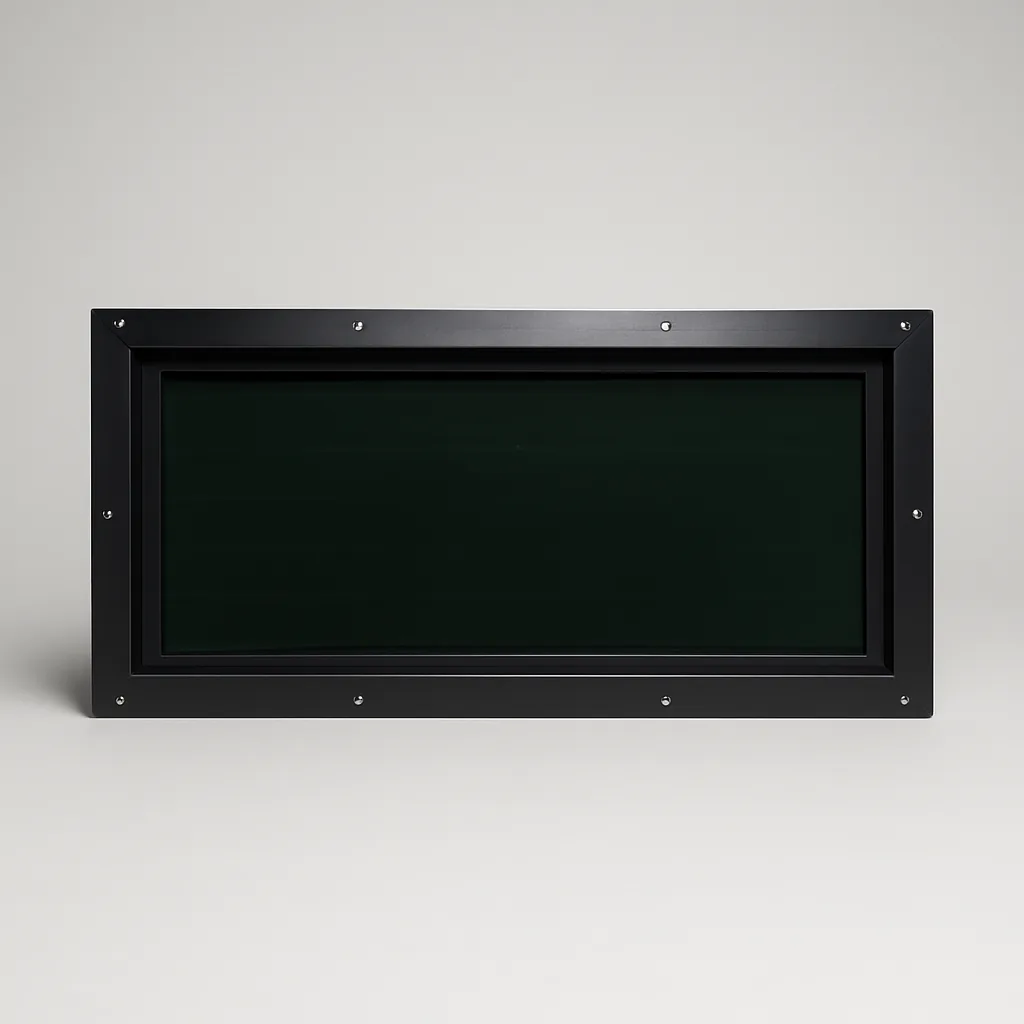
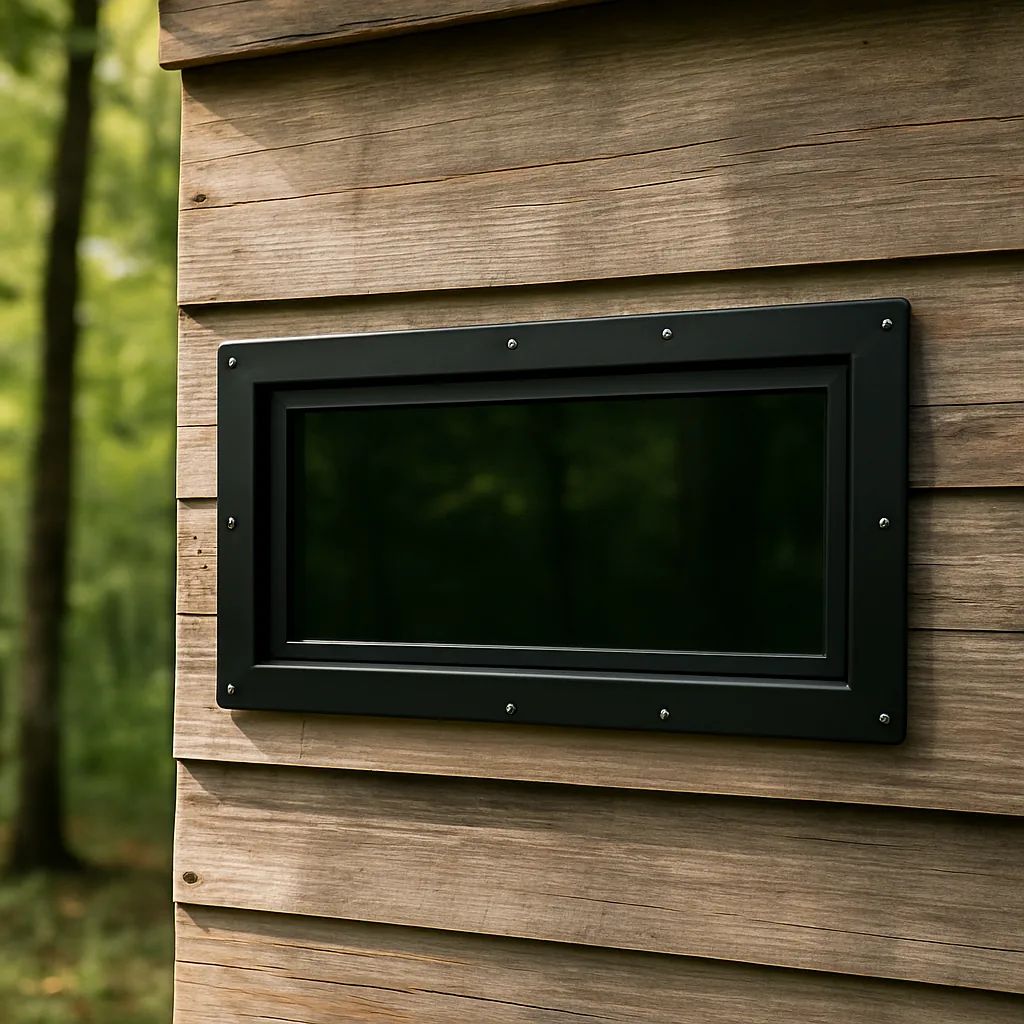
30″ × 14″ Tinted Frame Hunting Blind Window
$177.95
Tinted combo-blind frame window — bow-draw clearance with tinted concealment.
VIEW SPECS →▸ SCENARIO 2: YOU'RE A BOW HUNTER RETROFITTING AN OLD BOX BLIND THAT HAS PLYWOOD-AND-VELCRO "WINDOWS" RIGHT NOW
Glass hinge, every cutout. The silent open-and-close is going to triple your in-range encounters once you stop spooking deer with the velcro tear. The lower cost also means you can afford to redo every wall in one season instead of one-at-a-time.
FEATURED PRODUCT
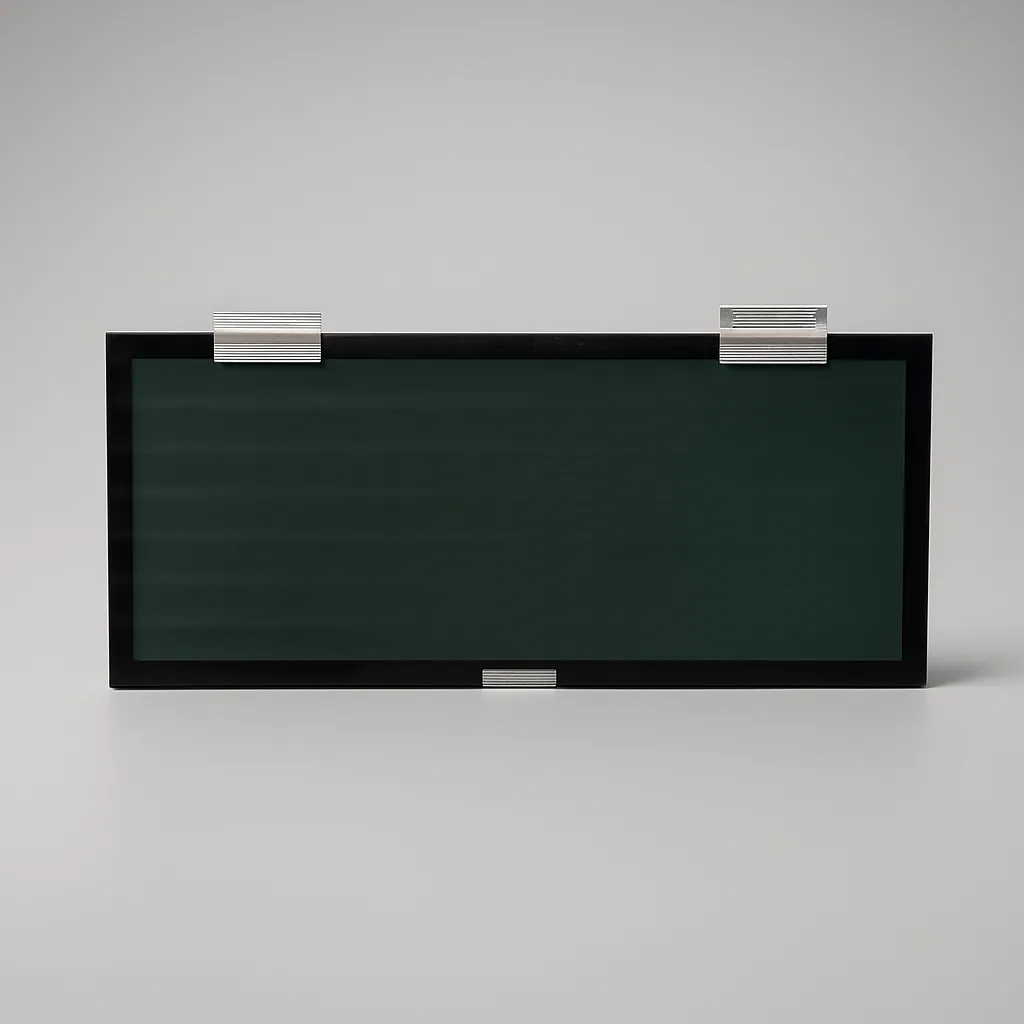
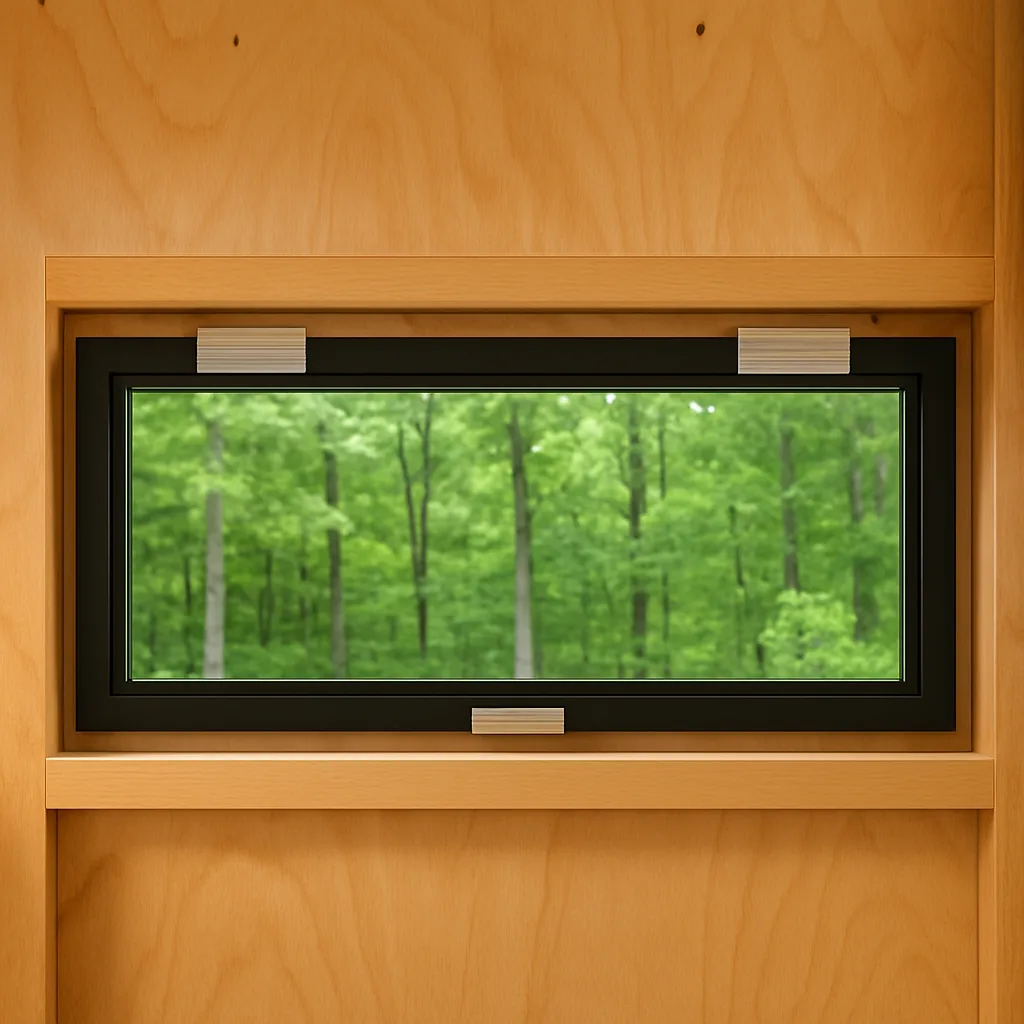
30″ × 14″ Tinted Glass Hinge Hunting Blind Window
$113.95
The 30×14 tinted glass hinge — the most-popular combo-blind cutout.
VIEW SPECS →▸ SCENARIO 3: YOU'RE A RIFLE HUNTER ON A CUSTOM-BUILT PERMANENT TOWER STAND AND YOU ONLY NEED ONE OR TWO WINDOWS
Frame windows. You're not opening and closing them constantly during a sit, the silent-hinge advantage isn't your main constraint, and the weather sealing pays for itself the first 40°F dawn rainstorm you sit through.
FEATURED PRODUCT
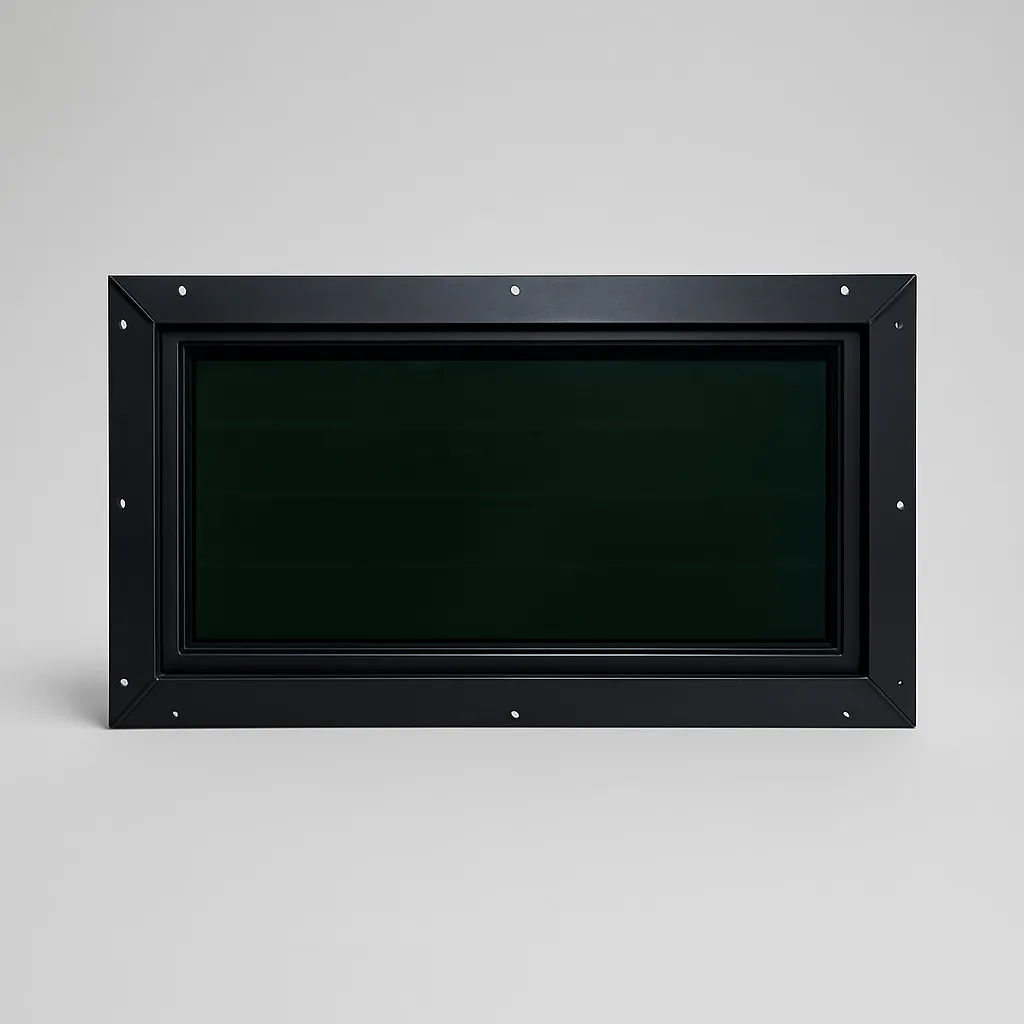
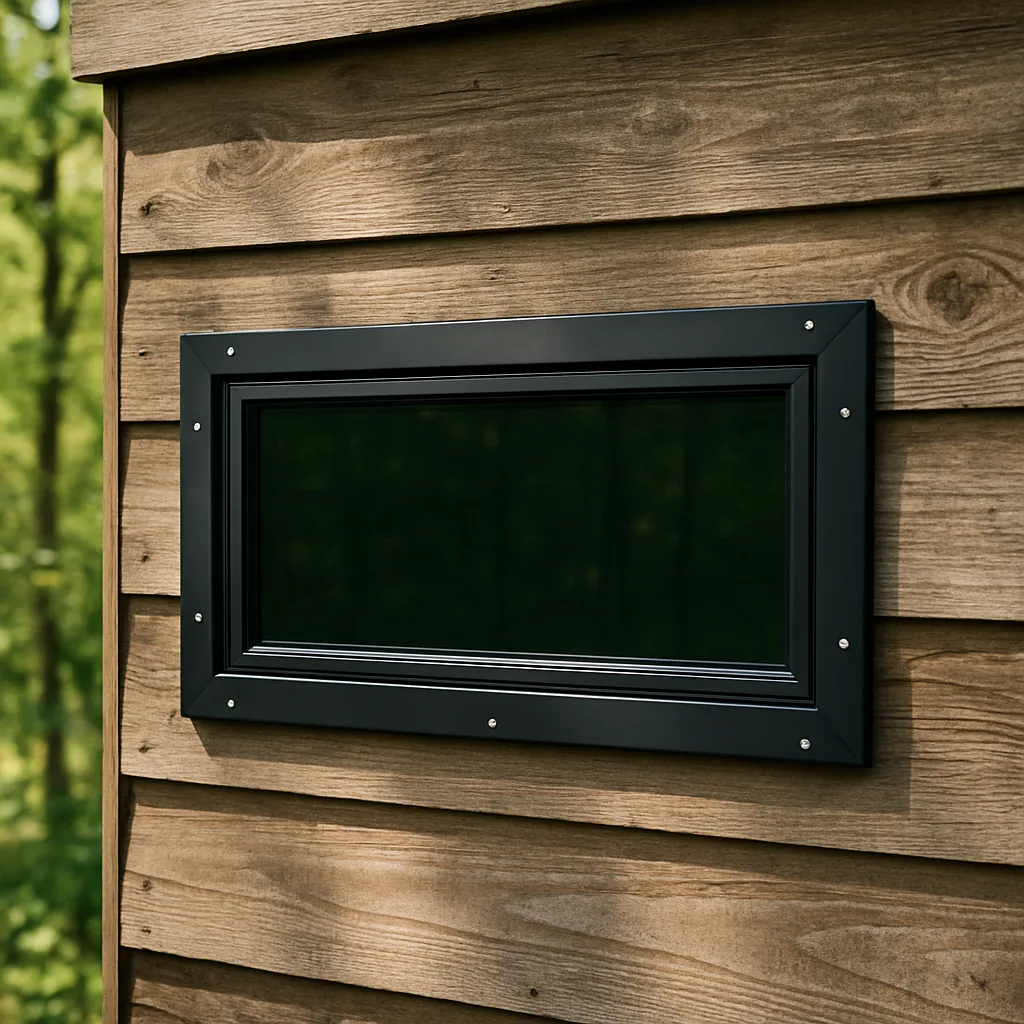
24″ × 12″ Tinted Frame Hunting Blind Window
$177.95
Heavy aluminum-frame tinted hunting blind window — built for the long haul.
VIEW SPECS →THE HYBRID SETUP (AND WHY MOST SERIOUS HUNTERS RUN IT)
Walk into ten box blinds owned by experienced hunters and you'll see something interesting: most of them mix window types. The pattern is consistent — frame on the front, glass hinge on the sides. There's a reason.
The front wall of a hunting blind faces the prevailing wind, takes the worst of the weather, and is where most rifle shots get taken from. Frame windows shine in all three of those situations. The side walls don't see the same weather, but they see the most opening-and-closing during a sit (because deer rarely come straight from the front), and most bow draws happen out the side wall. Glass hinge wins both of those.
WHAT ABOUT SIZING?
Both frame and glass hinge windows come in the same standard cutout sizes: 24×12, 30×11, 30×14, 30×16, 42×11, and 42×16. So sizing is a separate decision from style — you'll pick the dimensions based on what you're shooting (bow draw needs height; long rifle shots need clarity), then pick frame or hinge based on the criteria above.
- 24×12 — Compact retrofit cutout. Standard for older blinds and one-shooter builds.
- 30×11 — Wide-format for food plot reads. Most-installed cutout in the catalog.
- 30×14 — Combo size — best single window for both bow and rifle hunters. Our most-popular size.
- 30×16 — Maximum vertical clearance for compound bow draws.
- 42×11 — The widescreen option, designed for the front wall of 6×6 and 7×7 blinds.
- 42×16 — The biggest single window in our lineup. Front wall + bow clearance combined.
TINTED OR CLEAR?
This is a separate question from frame-vs-hinge, and it applies to both styles equally. The short version:
- Tinted glass is the right pick for bow hunters, crossbow hunters, and anyone hunting pressured deer. Tinting hides the silhouette of your draw cycle from anything looking at the window from outside.
- Clear glass is the right pick for rifle hunters who shoot past 200 yards and need optical-grade clarity through a high-magnification scope.
- Most hunters who run combo blinds pick tinted on every window. The optical hit at 200+ yards through a tinted pane is small enough that most hunters don't notice it, and the concealment advantage matters every sit, not just the long-shot ones.
THE BOTTOM LINE
There's no universal best answer between frame and glass hinge — there's only the right answer for the way you hunt. Frame windows belong on permanent builds, in hard weather, and on rifle hunters' front walls. Glass hinge windows belong on retrofits, on bow hunters' walls, and anywhere silent operation matters more than the last 5% of weather sealing.
If you're still on the fence, start with the hybrid: frame on the front wall, glass hinge on the side walls. It's the setup most experienced hunters end up running anyway, and it costs less than going all-frame.
FREQUENTLY ASKED