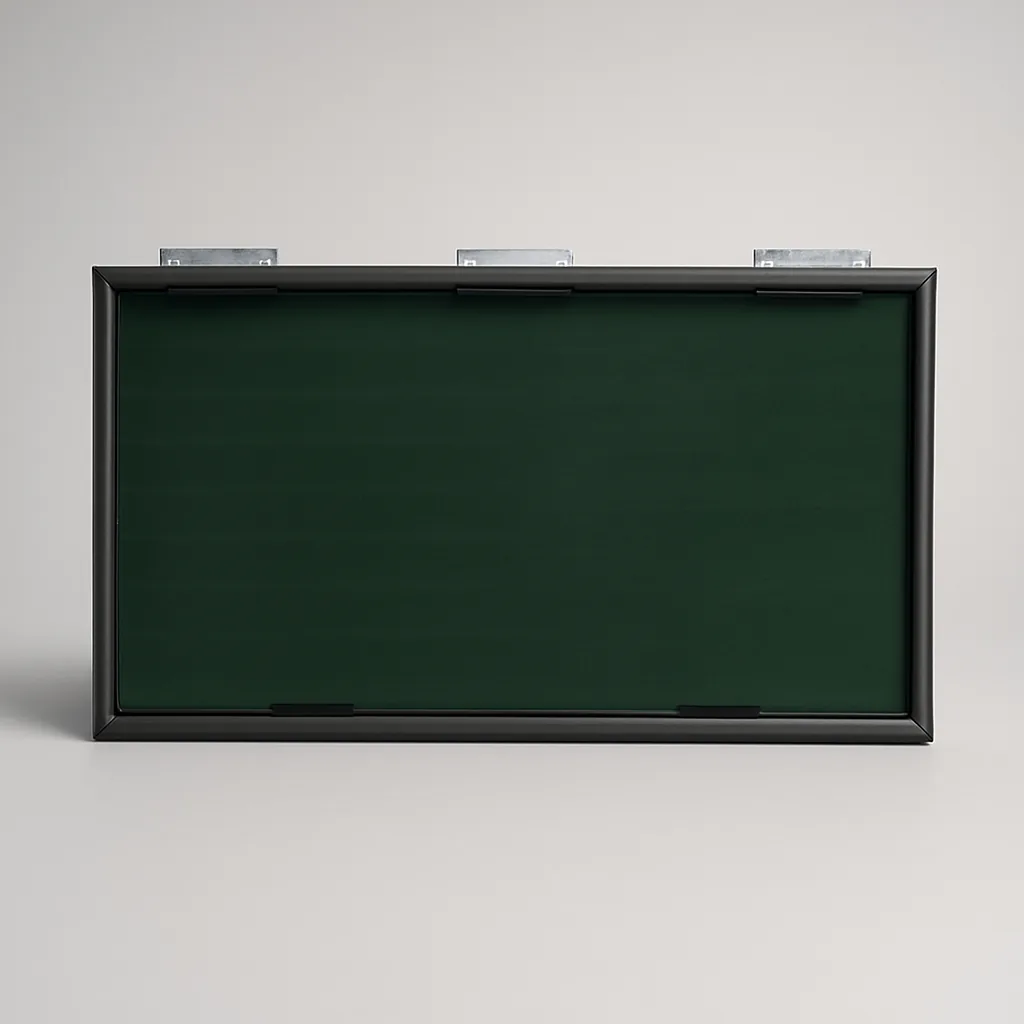
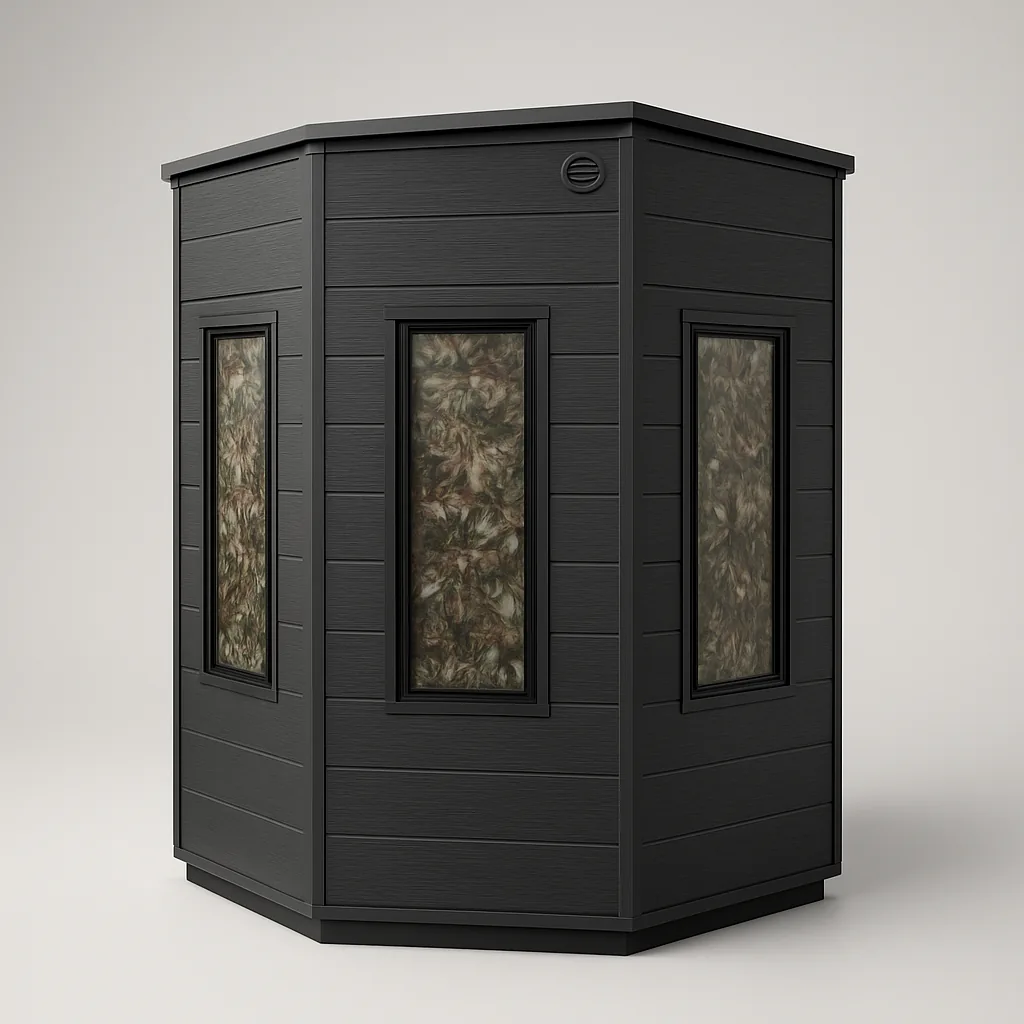
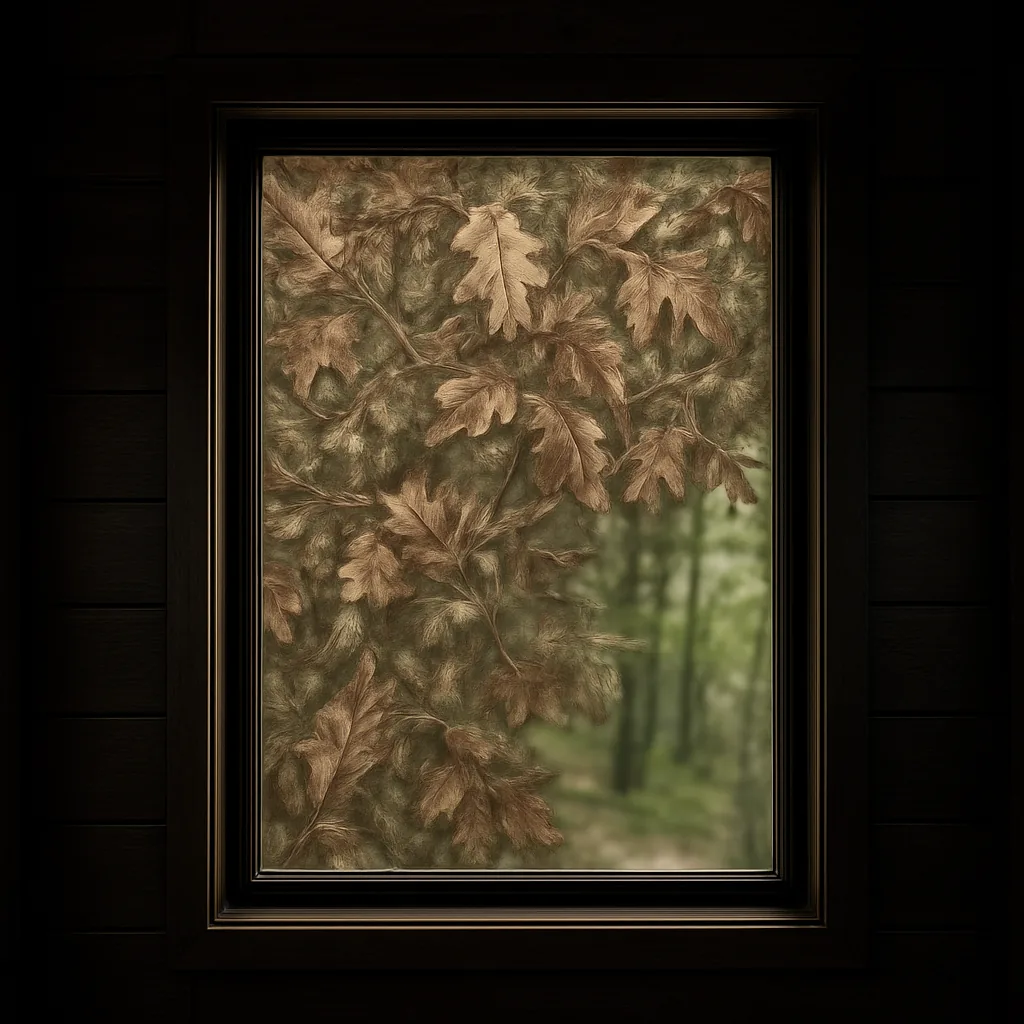
Bow hunters live and die on concealment. A buck at 25 yards has all day to look hard at the dark rectangle of your window cutout, and any movement behind that rectangle — even a draw cycle that's mechanically perfect — is enough to lock him up. Tinted glass is the single cheapest, easiest upgrade that solves this problem.
But "tinted is better for bow hunters" gets repeated a lot without anyone explaining why, or what the tradeoff actually is. Here's the field-proven breakdown of when tinted wins, when clear wins, and why almost every working bow hunter ends up running tinted.
HOW TINTED HUNTING BLIND GLASS ACTUALLY WORKS
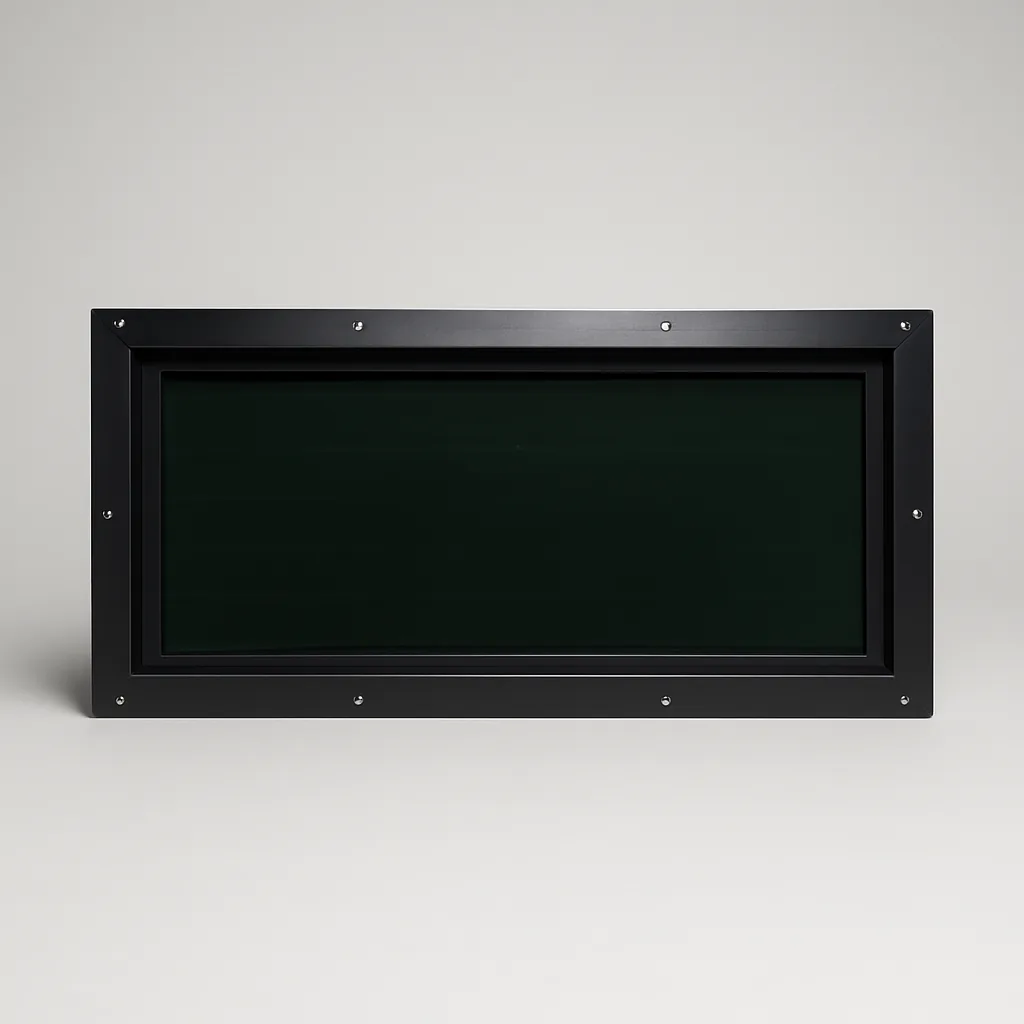
Tinted hunting blind glass uses a uniform light-absorbing layer — sometimes a thin metallic coating, sometimes a dyed inner layer of laminated glass — that reduces light transmission across the visible spectrum by roughly 60–80%. The result is a darker pane that doesn't change the color of what you see, only the brightness.
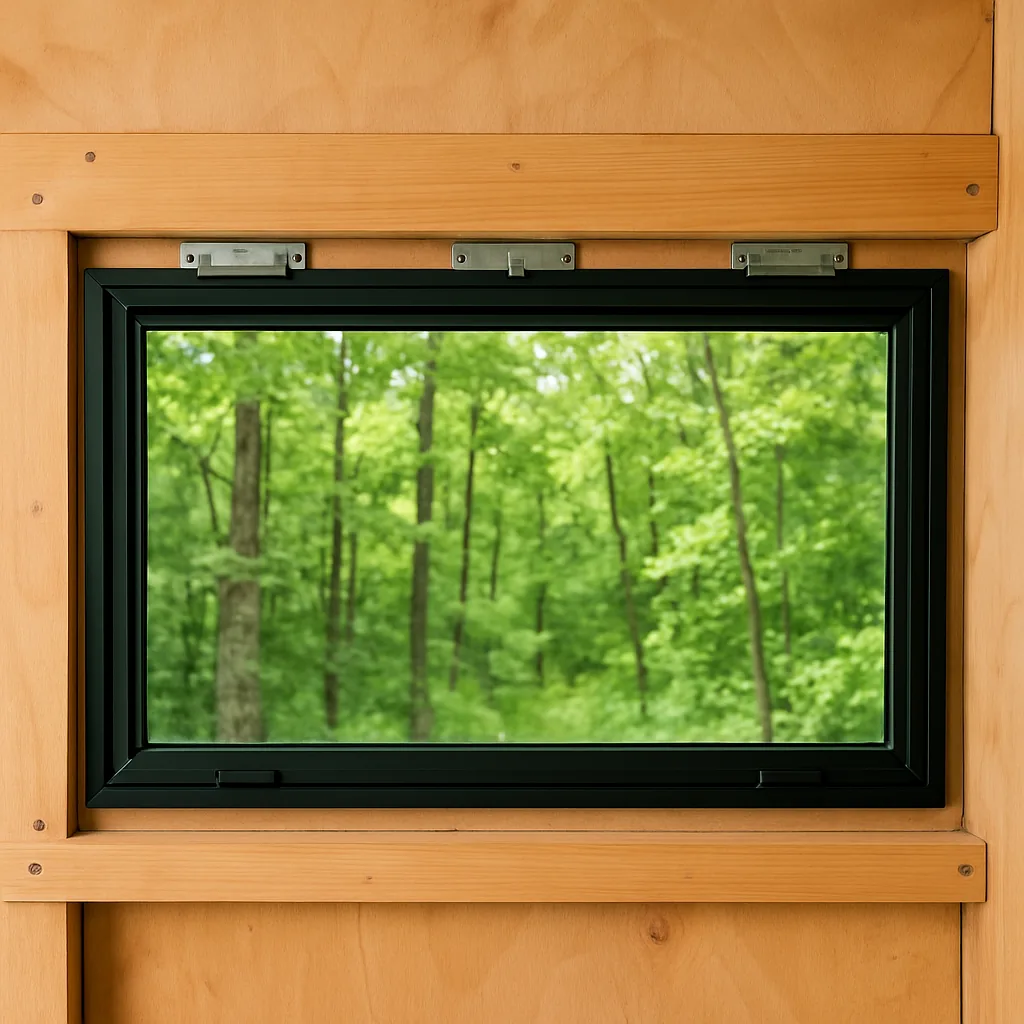
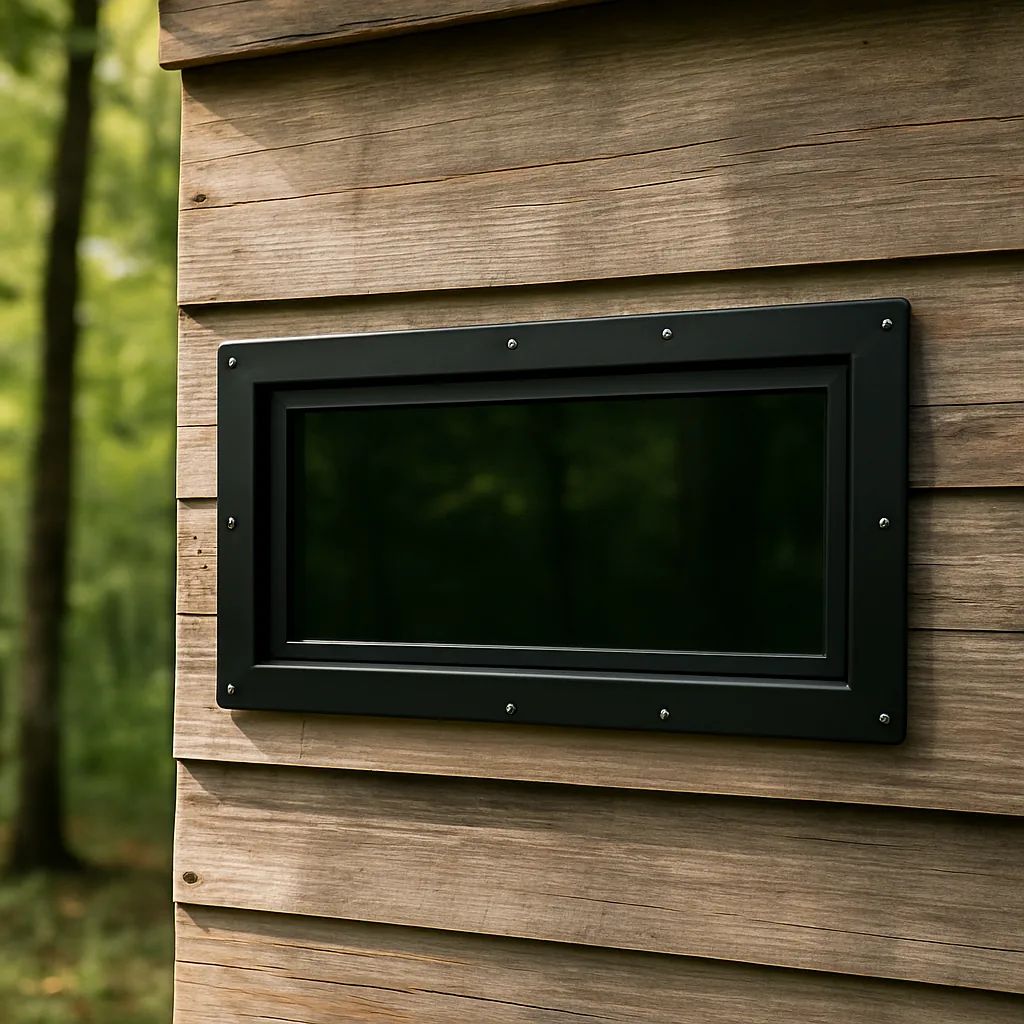
Critically, the tinting is asymmetric in practice. From inside the blind, you're looking out at a brightly-lit field. The tint reduces that brightness, but your eyes adapt instantly. From outside, the field is bright and the inside of the blind is dim — the tinting amplifies that contrast difference. The result is a window that looks black from outside and clear from inside, like one-way glass at an interrogation room.
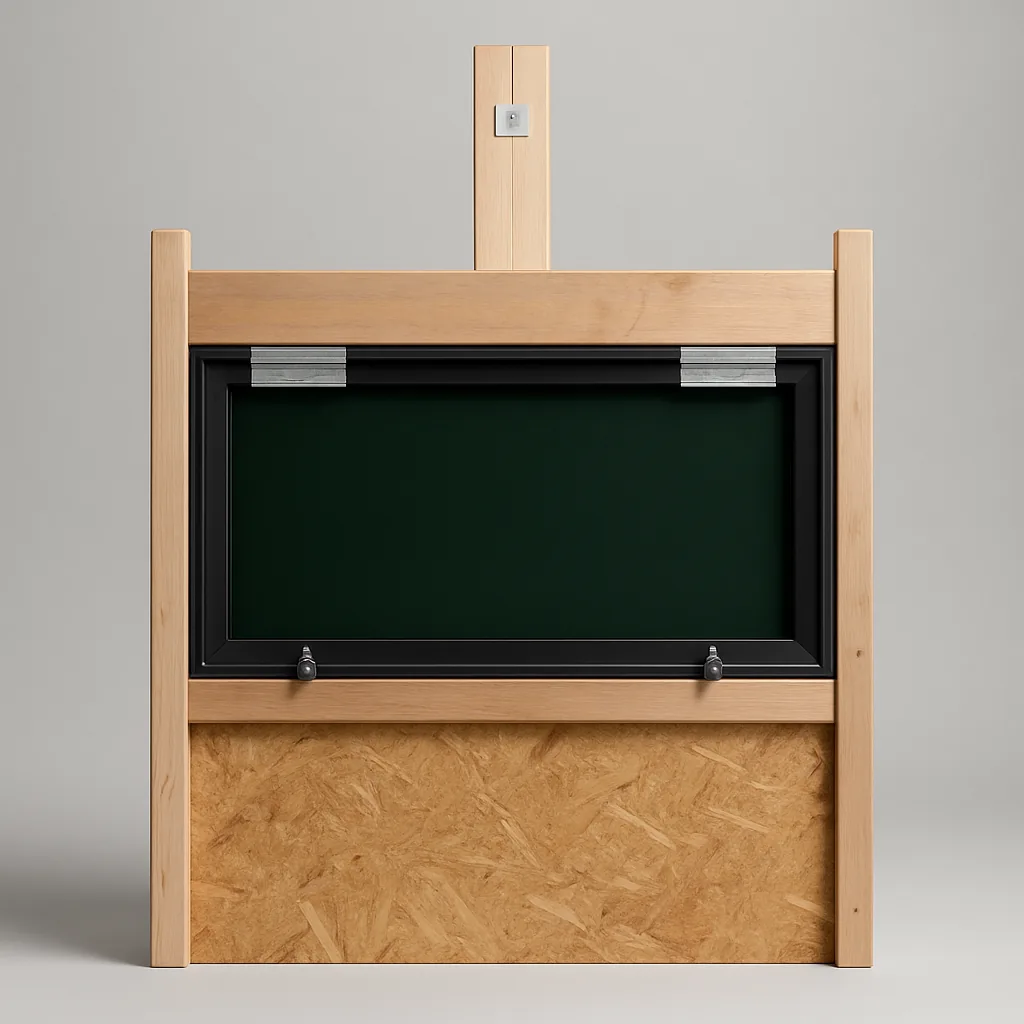
WHY BOW HUNTERS SPECIFICALLY BENEFIT
Three reasons tinting is a bigger upgrade for bow hunters than for rifle hunters:
▸ 1. THE DRAW CYCLE IS A LONG, SLOW MOVEMENT
A rifle hunter's shot motion is small and fast — raise the gun, settle, squeeze. A bow hunter's draw cycle is roughly 2–3 seconds of continuous arm and shoulder motion through a wide arc. That's a long window for a wary buck to pick up movement. Tinting kills the contrast that makes the movement readable from outside.
▸ 2. BOW SHOTS ARE AT CLOSE RANGE
20–40 yards is bow range. At that distance, a deer's vision can absolutely resolve details inside a window cutout — the silhouette of your face, the motion of the bow's limbs, the shape of your draw hand. Rifle shots at 150+ yards don't have this problem because the deer can't see fine detail at that range. Tinting matters more for the close shooter.
▸ 3. PRESSURED DEER SPECIFICALLY WATCH WINDOWS
On a hunted property, mature bucks learn to look at the dark rectangles of blind windows. They've seen movement behind them before. Untinted glass shows that movement; tinted glass doesn't. The performance difference shows up most on the deer that have been hunted hardest — exactly the deer most bow hunters are after.
THE OPTICAL CLARITY TRADEOFF
The fair concern with tinted glass is whether it hurts your shot. The honest answer at bow ranges is: no measurable hit. Here's why.
- Distance estimation — done with a rangefinder, not the naked eye. Tint doesn't affect a laser rangefinder.
- Pin alignment — your peep sight and bow sight pins are at arm's length, not behind the glass. The pane only affects what you see at the target end.
- Target identification — at 20–40 yards, a tinted pane is functionally as clear as untinted glass. There's a small contrast reduction, but no detail loss.
- Shot timing — your trigger-pull and release are tactile, not visual through the window.
Where the optical hit becomes detectable is past 200 yards through 6× or higher magnification — at that point, tinted glass loses a tiny amount of edge clarity. Bow hunters never operate in that range, so it's a non-issue.
WHEN CLEAR GLASS WINS FOR A BOW HUNTER
There are two specific cases where a bow hunter should pick clear over tinted:
▸ CASE 1: YOU ALSO RIFLE-HUNT AND TAKE LONG SHOTS OUT THE SAME WINDOW
If your bow blind doubles as your rifle blind for shots past 250 yards, the marginal optical clarity of clear glass might matter for the rifle work. In that case, clear is a fair compromise — you give up some bow concealment to keep more rifle-shot edge clarity.
▸ CASE 2: HIGH-ELEVATION TOWER STAND WITH SKY-GLARE ANGLE
Tinted glass at certain angles can reflect the sky enough to look like a mirror to a deer. This is rare in ground-level box blinds where the viewing angle is roughly horizontal. It's more common in elevated tower stands where the deer is looking up at a steep angle and catching the reflection of bright sky. If you hunt from a 12+ foot tower, watch for this — a small section of sky-mirror in your tinting could spook deer at certain times of day.
TINT LEVEL MATTERS
Not all tinted glass is created equal. The right level for hunting is what we ship — roughly 60–70% light reduction, enough to defeat outside-in visibility while keeping inside-out viewing essentially unaffected. Aftermarket window film at higher tint levels (80%+) starts to compromise inside-out clarity, especially in low-light conditions. Stick with manufacturer-tinted hunting glass.
BOTTOM LINE FOR BOW HUNTERS
If you bow-hunt seriously and don't have a specific reason to pick clear, buy tinted. The concealment upgrade is real and measurable. The optical tradeoff at bow ranges is essentially zero. The cost is the same.
If you also need to know what cutout size to pick, jump to our hunting blind window sizing guide. If you're choosing between frame and glass hinge styles, see our frame vs glass hinge breakdown.
FEATURED PRODUCT
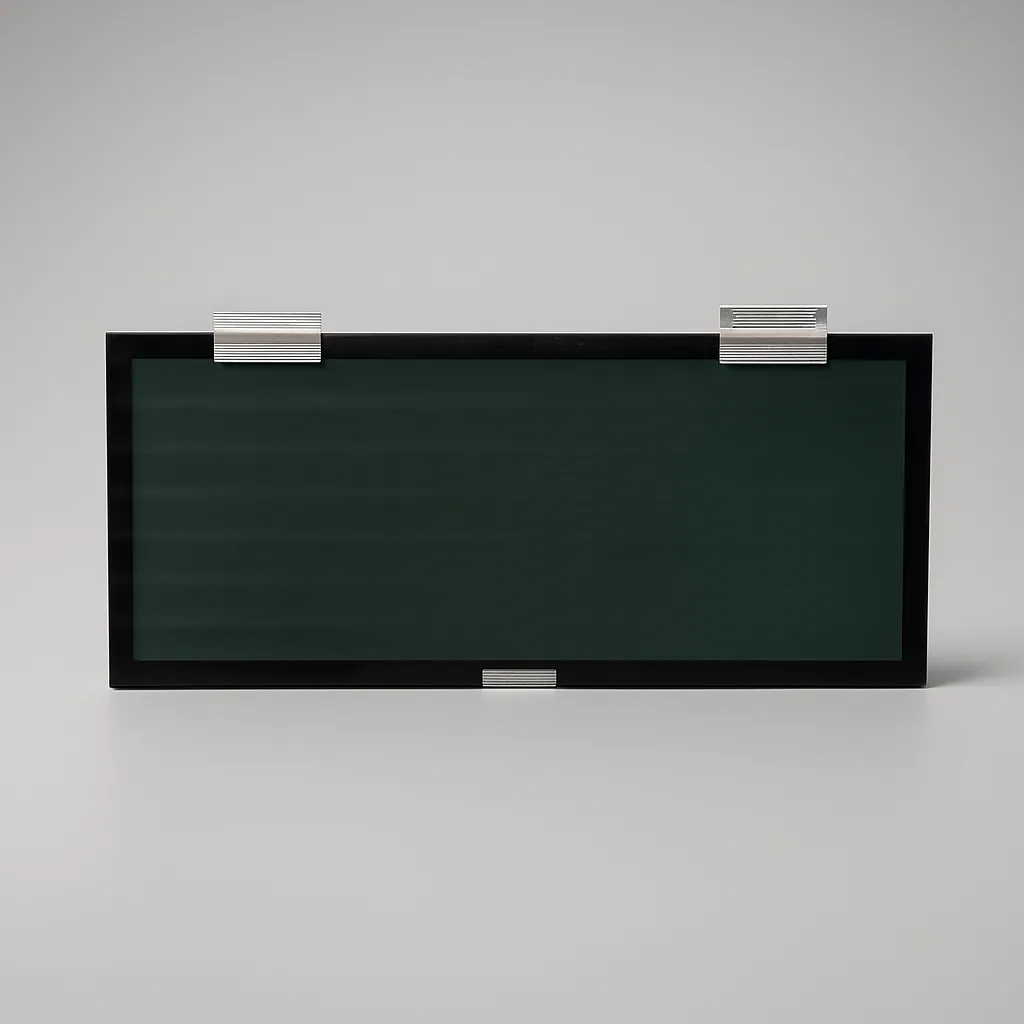
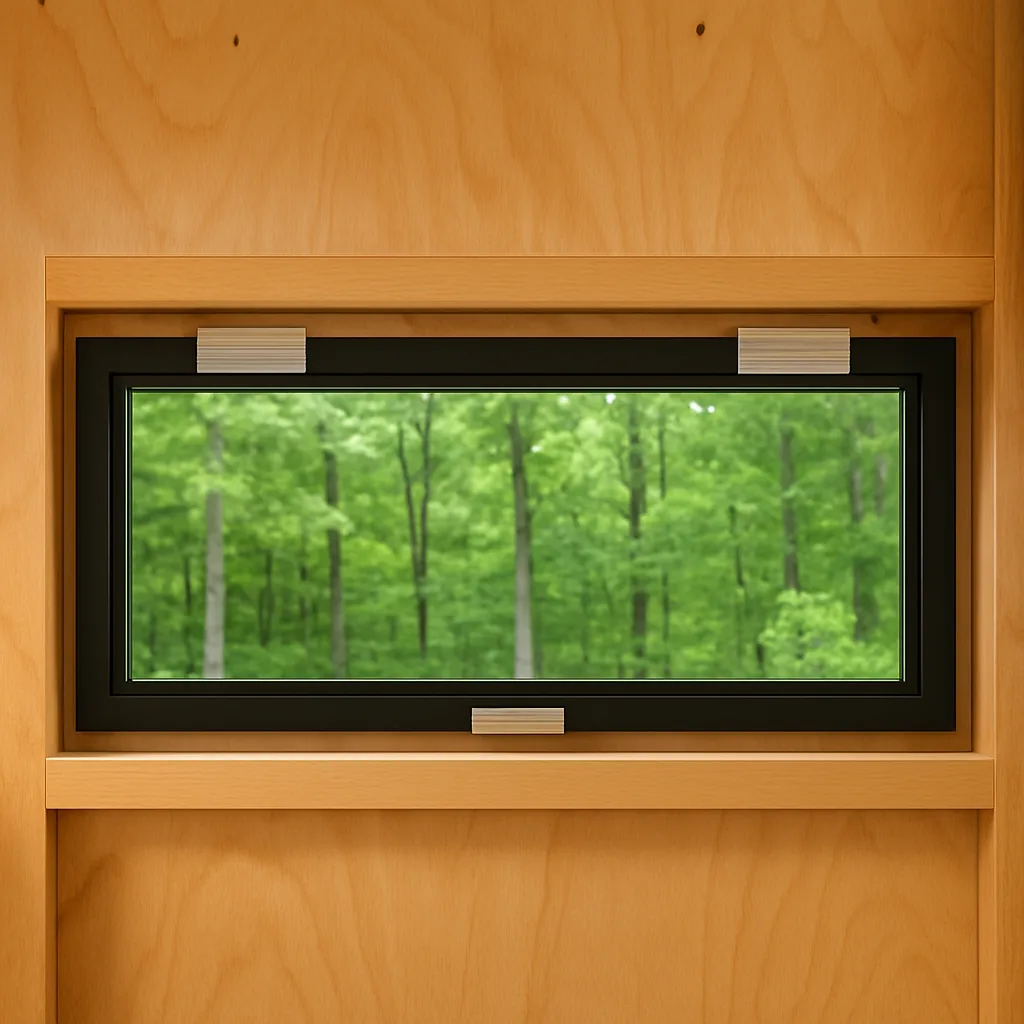
30″ × 14″ Tinted Glass Hinge Hunting Blind Window
$113.95
The 30×14 tinted glass hinge — the most-popular combo-blind cutout.
VIEW SPECS →FREQUENTLY ASKED